
Call this number
Google Map in English
Google Maps in Japanese
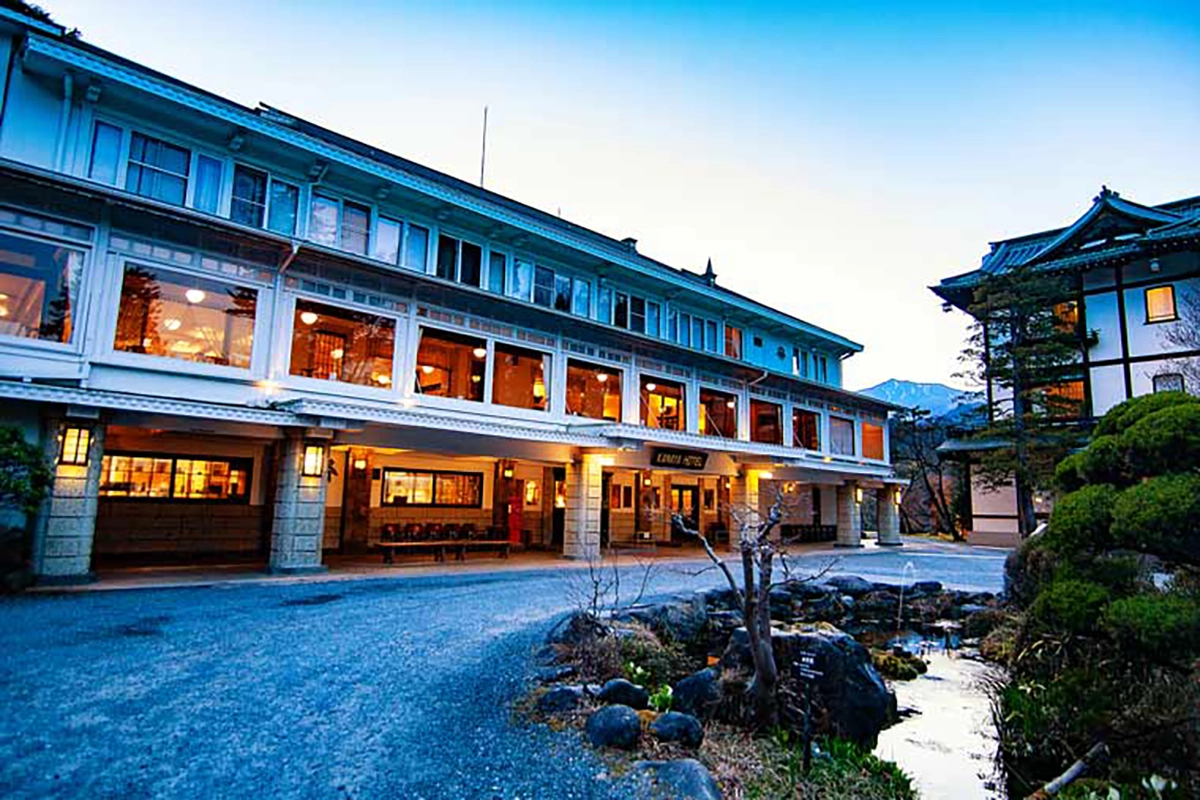
Kanaya Hotel has been open since 1873, which makes it the oldest resort hotel in Japan, and the guest register over the years reads like a strange, wonderful mix of history’s most unlikely roommates. Albert Einstein spent a night here in 1922. Frank Lloyd Wright stayed in 1905. Charlie Chaplin checked in during 1932, Helen Keller in 1937, and at one point in 1929, physicists Werner Heisenberg and Paul Dirac were both guests here too. It’s a strange thing to think about while walking the halls — how many completely different lives passed through the same rooms.
The Kanaya Hotel has since been designated a Registered Tangible Cultural Property, recognition for the part it’s played in Japan’s hospitality history. It also sits within walking distance of Nikko’s most important religious sites, including Nikko Toshogu Shrine and Rinno-ji, both UNESCO World Cultural Heritage Sites and both worth building an entire day around if you have the time.
There’s also a sister property, the Chuzenji Kanaya Hotel, sitting on the shore of Lake Chuzenji — considered the birthplace of fly fishing in Japan, if that’s the kind of detail that gets you excited about a trip.
The Kanaya Hotel exists at all because of one man, Zenichiro Kanaya, who in 1873 offered up his own home as lodging to a foreign doctor passing through Nikko. That one favor eventually turned into a full hotel, and Kanaya Hotel’s instinct that foreign visitors would want a comfortable place to stay in Nikko turned out to be exactly right. The building itself still carries that mixed heritage: Western-style architecture and furnishings on the outside, with Japanese design touches worked in throughout, giving the whole place a slightly time-displaced feeling that’s hard to find anywhere else in Japan.
Nikko’s mountains surround the property, so outdoor options are easy to come by — hiking and fishing in warmer months, skiing in winter, or if you’d rather stay closer to the hotel, a slow walk through the manicured gardens is plenty on its own.
Rooms range from Western-style to Japanese-style to full suites, and each one blends old and new rather than picking one over the other. Dining follows the same idea: breakfast leans traditional Japanese, while dinner mixes local ingredients with international technique. If you’re curious about a taste of the hotel’s own history, order the “100 Years Curry,” a dish still made from a century-old in-house recipe using duck, chicken, and beef — it’s one of the few things on the menu that connects directly back to the hotel’s earliest days.
Staff here seem to genuinely know the region, not just the hotel, and are quick with recommendations if you ask. Beyond the rooms and restaurants, there’s a spa, hot springs, and meeting space for anyone mixing business with the trip.
Given everything it’s seen and everyone who’s stayed here, a night at Kanaya Hotel feels less like checking into a hotel and more like stepping briefly into a much longer story that started over 150 years ago. If you’re building out a Japan itinerary and want more picks like this one, take a look at our article on Lodging in Japan for a wider list of places worth booking.
What sticks with us most, though, isn’t any single guest or amenity, but the pace of the place. Nothing here feels rushed. Meals stretch out, the gardens invite a slow walk rather than a quick photo, and even the lobby seems designed for lingering rather than passing through. In a country known for efficiency, Kanaya Hotel feels like a deliberate exception, and that’s exactly what makes it worth the trip
Submission successful. You will receive a confirmation email, shortly.