An izakaya (居酒屋) is one of the best places to experience the relaxed, social side of Japanese dining. Often described as a Japanese pub, an izakaya is much more than a place to have a drink. It is a place to eat, talk, discover new flavors, and spend time with friends, family, coworkers—and sometimes even complete strangers.
One of the things we love most about izakaya is their incredible variety. Almost anyone can find something they enjoy. Whether you are looking for a quick, inexpensive meal at a neighborhood favorite, a lively night out with friends, or an elegant evening featuring excellent sake and beautifully prepared dishes, there is an izakaya for you.
And that variety is part of what makes exploring izakaya in Japan so much fun.
What Does “Izakaya” Mean?
The Japanese word 居酒屋 (izakaya) gives us a clue about the history of these establishments.
The character 居 (i) relates to staying or sitting, 酒 (sake) means alcoholic beverage, and 屋 (ya) means a shop or establishment. The name is associated with the development of sake shops where customers were allowed to stay and drink their sake on the premises rather than simply purchasing it to take home.
In other words, the idea of an izakaya is essentially a place where you can stay and enjoy sake.
Over time, these establishments evolved into the food-and-drink destinations we know today. Food became an increasingly important part of the experience, and modern izakaya menus can range from simple snacks to surprisingly sophisticated cuisine.
Something for Everyone
Perhaps the best way to understand an izakaya is to forget the idea that there is one standard type of izakaya.
There isn’t.
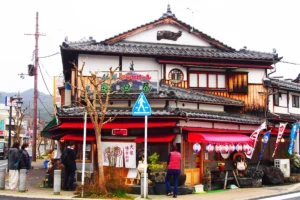
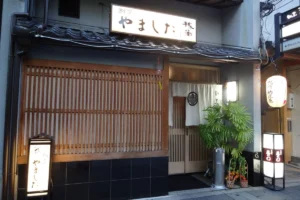
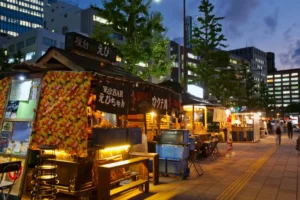
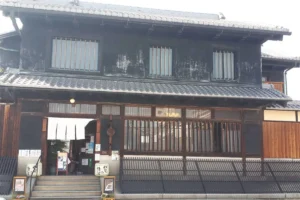
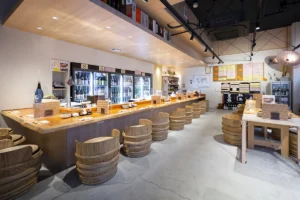
Some are tiny neighborhood establishments with only a handful of seats. Others are large, bustling restaurants with extensive menus. You will find independent local izakaya, national chains, specialty izakaya focusing on yakitori or seafood, and sophisticated establishments with carefully selected sake and beautifully presented dishes.
The atmosphere and price can vary dramatically as well.
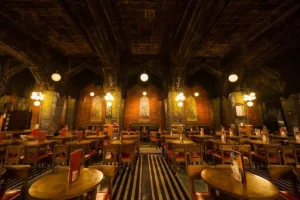
For an inexpensive and lively local experience, Donjaka in Shinjuku is one of our favorites. Located just a short walk from Shinjuku Sanchome, Donjaka has an old-school Showa-era atmosphere, an enormous menu, an extensive selection of sake and shochu, and very reasonable prices. With hundreds of dishes to choose from, it is exactly the kind of place where you can settle in, order several small dishes, and simply enjoy the evening.
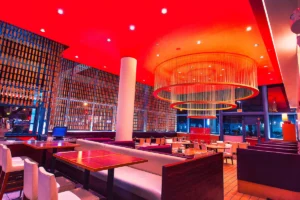
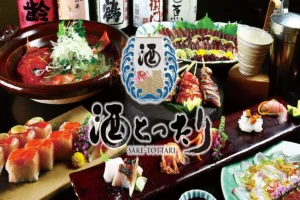
At the other end of the spectrum, Sake Tottari in Yokohama offers a more upscale izakaya experience. Located near Yokohama Station, it features an impressive selection of sake, including more than 200 varieties, along with beautifully prepared dishes and seasonal ingredients. The atmosphere is elegant and inviting, and the food is presented with the kind of attention to detail you might expect from a more refined restaurant.
Both are izakaya—but the experiences are quite different. That is one of the great things about izakaya culture.
Your budget, the occasion, and the neighborhood can all shape your experience. Prices can range from very affordable neighborhood dining to considerably more expensive upscale establishments. Rather than assuming that every izakaya is inexpensive and casual, think of “izakaya” as describing a style of dining centered around food, drinks, and socializing.
The Izakaya Way: Drink With Your Food
There is another important part of the izakaya experience that can be easy to misunderstand.
Although alcohol is an important part of izakaya culture, the goal isn’t necessarily to drink as quickly as possible or to get drunk. Instead, drinking and eating happen together.
You might start with a cold beer, order a few dishes to share, and then switch to sake, shochu, a highball, wine, or another drink. As more food arrives, you continue to order and share. The meal unfolds gradually rather than arriving all at once.
This makes an izakaya a wonderful place for conversation.
The food gives everyone something to talk about, while sharing dishes creates a relaxed, communal atmosphere. You can try something you’ve never eaten before, ask your companions what they think, and order another dish because someone at the table recommends it.
For us, some of the most memorable izakaya experiences have gone beyond the people we arrived with. We often find ourselves talking with people at the next table, particularly as the evening progresses and everyone becomes a little more relaxed. A conversation might begin with a simple comment about a dish or a drink and turn into an enjoyable exchange with people we had never met before.
That spontaneous social interaction is difficult to replicate in a formal restaurant.
Small Plates, Big Variety
Food is central to the izakaya experience. Rather than ordering one large entrée for each person, diners often order several smaller dishes and share them around the table.
Menus can include an incredible range of Japanese favorites: yakitori, sashimi, tempura, karaage, gyoza, tofu dishes, grilled vegetables, seafood, noodles, rice dishes, and much more. Some izakaya specialize in a particular ingredient or style of cooking, while others offer enormous menus with something for practically every appetite.
This makes izakaya particularly appealing for adventurous eaters. You can order familiar favorites alongside something you’ve never tried before.
For more ideas about what to order, see our A Food Lover’s Guide to Izakaya Menus, where we share some of our favorite dishes and drinks.
More Than a Meal
For visitors to Japan, an izakaya can provide something that a more formal restaurant experience sometimes cannot: a glimpse into everyday Japanese social life.
Izakaya are places where people relax after work, meet friends, celebrate, catch up, and enjoy good food and drinks together. The atmosphere can be lively, noisy, intimate, traditional, modern, inexpensive, or sophisticated depending on the establishment.
Think of it as an invitation to sit down, order something delicious, raise a glass, and stay awhile. Whether you find yourself at a tiny neighborhood izakaya or enjoying expertly selected sake at an upscale establishment, the essence remains the same: good food, good drinks, good conversation, and good company.
And sometimes, the best company is the person sitting at the next table.