Sushi Taka
鮨嵩


Call this number
Google Map in English
Google Maps in Japanese
Sushi Taka sits just off Yamato-oji Street in Higashiyama, a short walk from Gion Shijo Station, and it earned a Bib Gourmand from the Michelin Guide back in 2016 — the designation for places that deliver excellent food without the price tag of a starred restaurant. It’s easy to walk past if you’re not looking for it, which is part of the appeal.
We took my parents to Sushi Taka on one trip and ordered the tokujo-sushi set, the top-tier option on the menu, and it did not disappoint. My father is notoriously hard to impress when it comes to sushi — he’s the type who’ll quietly compare everything to some meal he had decades ago and rarely says much either way — but he worked through that set slowly and happily, which for him is about as strong an endorsement as it gets.
Sushi Taka leans toward what people describe as a more “masculine” style of sushi — bold, direct, not overly delicate. Its most talked-about dish is the namida-maki, or “tears roll,” a negi-toro roll packed with enough wasabi that the name isn’t really an exaggeration. It’s become something of a signature here, the kind of dish regulars order specifically to watch first-timers react to. We didn’t order it that night with my parents at the table, but it’s on the list for next time.
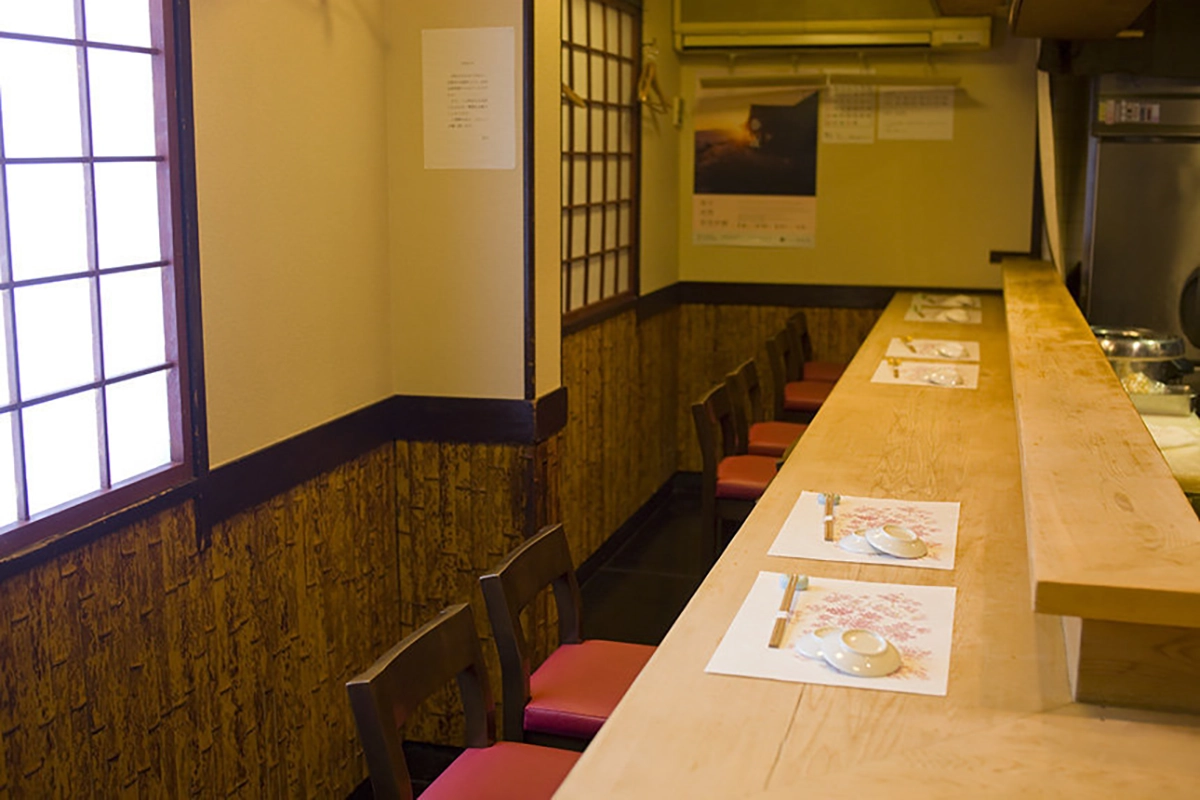
Inside, the space is small and counter-focused, which means you end up talking to the person making your food rather than watching from a distance. What struck us most, though, was the crowd. Most of the other customers that evening at Sushi Taka looked like locals rather than tourists, and a fair number seemed to be getting an early meal in before heading off to work somewhere else in Gion for the night. There’s something about eating dinner next to people gearing up for their actual workday that makes a restaurant feel more like part of the neighborhood than a stop on someone’s itinerary.
The Sushi Taka’s menu runs through a rotating set of otsumami, or small seasonal appetizers, before moving into the sushi itself, and there’s an omakase option if you’d rather let the chef decide the pace and lineup for you. We ended up ordering several otsumami on the side, and they were genuinely good — nicely plated, clearly seasonal, and a good match for the Kyoto-brewed sake we asked the staff to recommend. If you’re someone who treats the appetizers as a formality before the main event, it’s worth slowing down here instead.
Ingredients shift with the season and depend heavily on what’s coming in from local markets, so a summer visit and a winter visit won’t look the same. One detail that sets Sushi Taka apart from a lot of Gion’s fine-dining sushi counters: it stays open until 1 a.m. Late-night sushi isn’t especially common in this part of Kyoto, so it’s a useful option if you’ve had a long dinner elsewhere, or if you’re wandering Gion at night and want something more substantial than a snack.
Prices sit in a comfortable middle ground — not a splurge-only destination, but not a quick, cheap meal either. Course pricing runs a wide range depending on what you order, and portions are generous enough that you leave full without overpaying for the privilege.
If you’re the kind of traveler who likes finding restaurants outside the usual highest-end recommendations, this is a good one to have on the list. It’s not trying to be the most refined sushi experience in Kyoto — it’s trying to be a reliably good one, in a neighborhood where reliably good sushi at a fair price isn’t as easy to find as you’d expect. And if you happen to bring along a parent who’s hard to impress, that might end up being the best review of all.
Submission successful. You will receive a confirmation email, shortly.